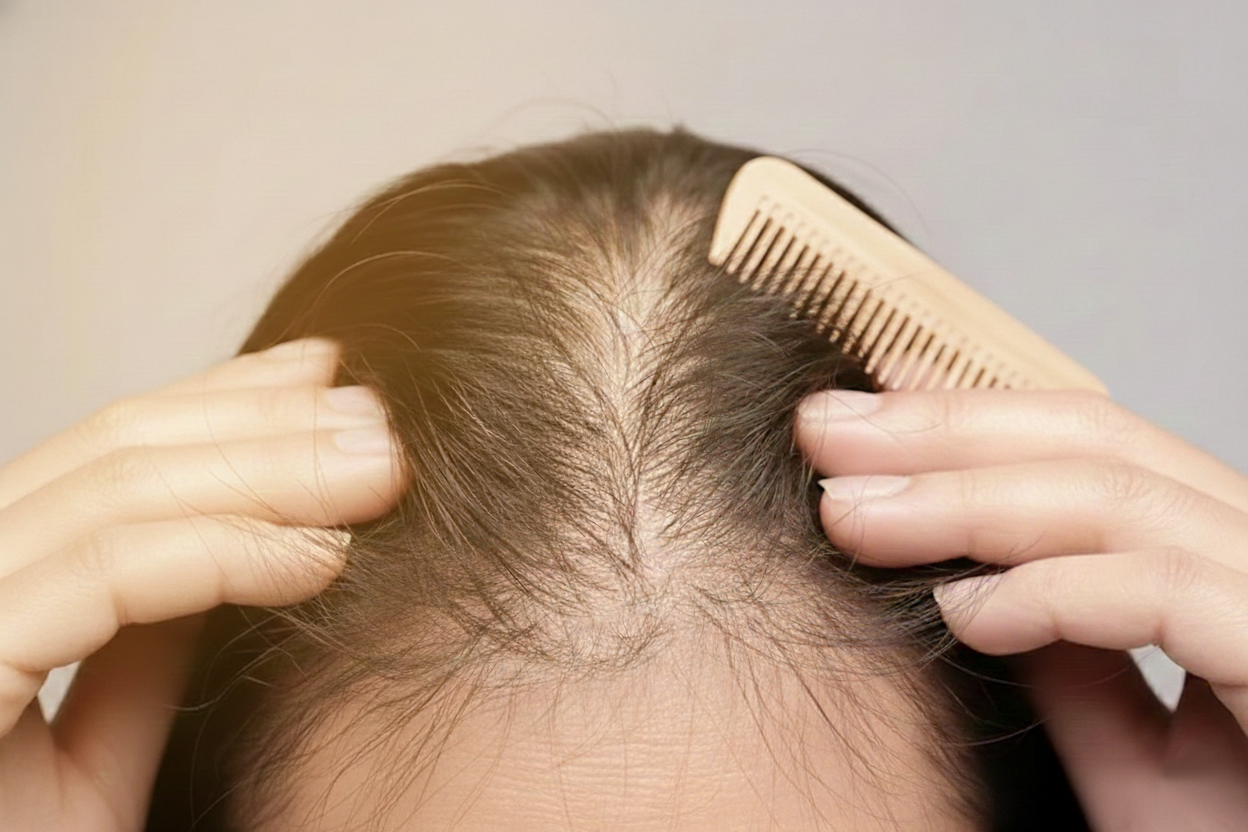
Hair Thinning

HAIR THINNING

Hair thinning is a common condition that gradually reduces hair density, volume, and strength over time. It can occur due to multiple factors such as genetics, hormonal changes, nutritional deficiencies, stress, aging, or underlying scalp conditions. Hair thinning often starts subtly, making hair appear flat, weak, or sparse, especially around the crown, temples, or parting areas. Early attention and proper understanding are essential to slow down progression and protect hair health. Modern hair thinning solutions focus on strengthening existing hair, improving scalp circulation, and encouraging healthier growth cycles. With advanced treatments, targeted care routines, and professional guidance, hair thinning can be effectively managed without surgical intervention. Whether experienced mildly or progressively, addressing hair thinning at the right stage helps restore volume, improve texture, and enhance overall appearance. Consistent care allows individuals to maintain confidence, grooming standards, and a healthier scalp environment.

Learn More
Why Address Hair Thinning Early?
  • ✔ Prevents further loss of hair density.
  • ✔ Helps preserve existing hair strength.
  • ✔ Improves scalp health and circulation.
  • ✔ Reduces visible signs of hair weakness.
  • ✔ Supports long-term hair maintenance.
  • ✔ Encourages timely and effective care.
Benefits of Treating Hair Thinning
  • ✔ Improves hair volume and texture.
  • ✔ Strengthens weak and fragile strands.
  • ✔ Enhances scalp nourishment.
  • ✔ Suitable for long-term hair care.
  • ✔ Helps maintain natural hair appearance.
  • ✔ Boosts overall grooming confidence.
Why Hair Thinning Needs Attention?
  • ✔ Identifies root causes of hair weakness.
  • ✔ Prevents progression toward hair loss.
  • ✔ Supports healthier hair growth cycles.
  • ✔ Improves overall scalp condition.
  • ✔ Enhances personal appearance.
  • ✔ Restores confidence naturally.

FREQUENTLY ASKED QUESTIONS

Hair thinning can be caused by genetics, hormonal imbalance, nutritional deficiencies, stress, aging, or improper hair care practices that weaken hair over time.

In many cases, hair thinning can be managed or improved with early treatment, proper nutrition, and consistent hair care routines tailored to individual needs.

Treatment options may include scalp therapies, topical solutions, nutritional support, and professional care plans designed to strengthen hair and reduce thinning.

Yes, stress can disrupt the hair growth cycle, leading to increased shedding and thinning if not managed properly.

Hair thinning is common with aging as hair follicles weaken over time, resulting in reduced density and slower hair growth.

Yes, with timely intervention, professional guidance, and consistent care, hair thinning can be controlled effectively and managed long-term.