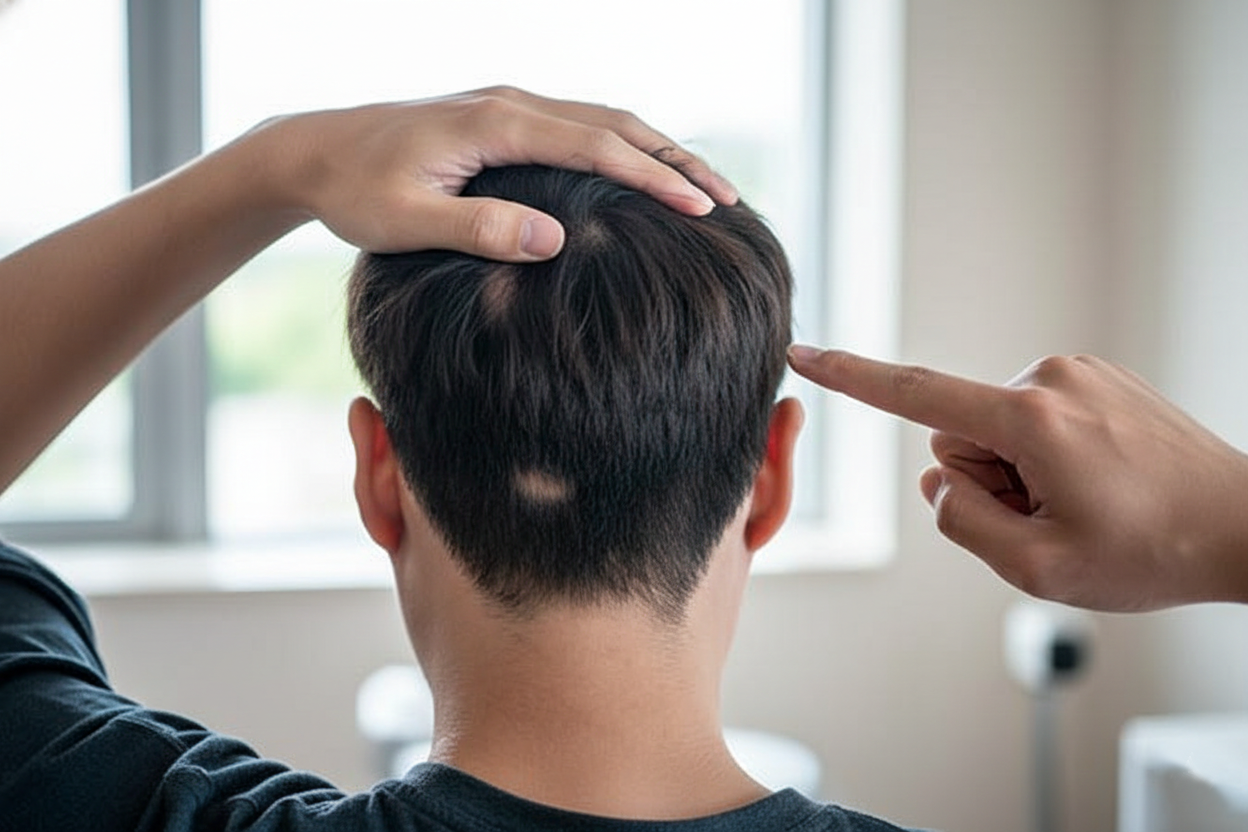
Alopecia Treatment

ALOPECIA

Alopecia is a medical condition that leads to partial or complete hair loss on the scalp or other areas of the body. It can affect individuals of any age or gender and may occur due to autoimmune disorders, genetic factors, hormonal imbalance, stress, or underlying health conditions. Alopecia often appears suddenly and can progress unpredictably, impacting hair growth patterns and overall scalp health. Early identification and proper diagnosis play a crucial role in managing this condition effectively. Modern approaches to alopecia focus on controlling hair loss, stimulating regrowth, and improving scalp health through personalized treatment plans. Depending on the type and severity, solutions may include medical therapy, topical applications, lifestyle changes, or supportive cosmetic options. With consistent care, professional guidance, and the right treatment strategy, individuals experiencing alopecia can regain confidence, improve appearance, and manage hair loss in a safe and effective manner.

Learn More
Why Understanding Alopecia Matters?
  • ✔ Helps identify the cause of hair loss early.
  • ✔ Prevents further progression of the condition.
  • ✔ Supports timely medical intervention.
  • ✔ Improves treatment effectiveness.
  • ✔ Reduces emotional and psychological stress.
  • ✔ Encourages informed hair care decisions.
Benefits of Managing Alopecia
  • ✔ Slows down hair loss effectively.
  • ✔ Promotes healthier scalp conditions.
  • ✔ Supports natural hair regrowth.
  • ✔ Enhances overall hair appearance.
  • ✔ Improves self-confidence and comfort.
  • ✔ Helps maintain long-term scalp health.
Why Alopecia Care Is Important?
  • ✔ Addresses hair loss at its root cause.
  • ✔ Prevents permanent follicle damage.
  • ✔ Offers tailored treatment solutions.
  • ✔ Improves scalp circulation and strength.
  • ✔ Supports emotional well-being.
  • ✔ Encourages consistent hair care routines.

FREQUENTLY ASKED QUESTIONS

Alopecia is a condition that causes hair loss due to autoimmune reactions, genetics, or health factors. It may start suddenly or gradually, affecting specific areas or the entire scalp.

Alopecia may be temporary or permanent depending on its type and severity. Early diagnosis and appropriate treatment can help manage symptoms and support regrowth in many cases.

Treatment options for alopecia vary based on its type and may include medications, topical solutions, lifestyle adjustments, or supportive cosmetic approaches recommended by specialists.

Yes, stress can trigger or worsen certain types of alopecia by affecting the immune system and hair growth cycle, making stress management an important part of care.

Alopecia can affect the scalp as well as other areas such as eyebrows, beard, or body hair, depending on the specific type of alopecia.

Yes, with the right diagnosis, consistent treatment, and professional guidance, alopecia can be managed effectively to reduce hair loss and support healthy regrowth.